The SABRENT 4 Port USB 2.0 Hub review is for shoppers who need a simple way to add several USB connections without carrying a larger dock.
Its compact body, rotatable connector, and plug-and-play setup make it a practical choice for light peripheral use, with an important limitation: charging is not supported.
SABRENT USB Hub Review Summary
The quick verdict
16,000+ ratings
Read Amazon ReviewsSABRENT 4 Port USB 2.0 Hub
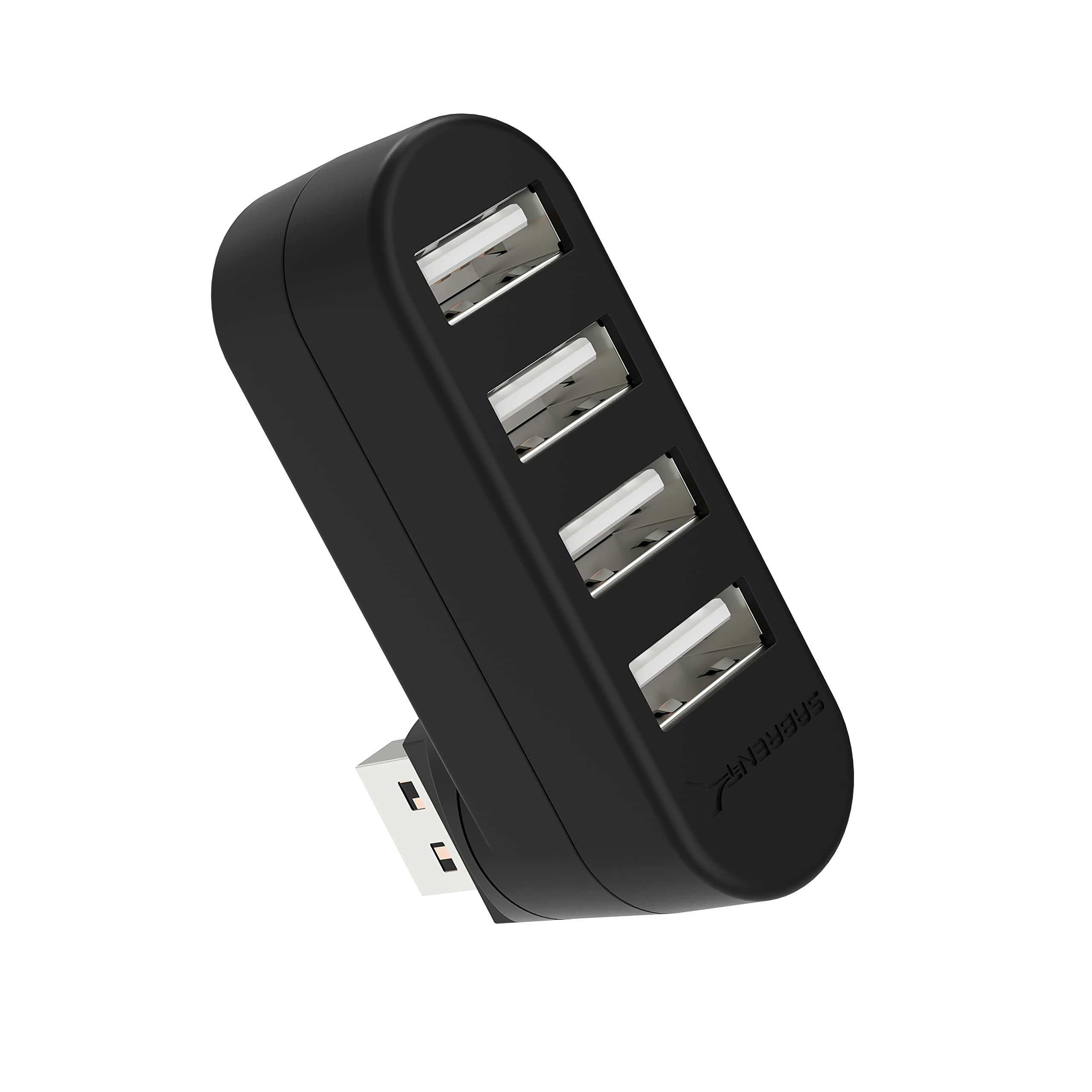
A compact, rotatable four-port hub for buyers who need extra USB 2.0 connections for data peripherals and do not need device charging.
- Four USB 2.0 ports provide additional connections for compatible USB devices.
- Rotating USB connector adjusts to 90 or 180 degrees.
- Plug-and-play setup and hot-swappable, hot-pluggable operation are supported.
- Compatible with Windows, Mac, and Linux systems.

Pros
- Four additional ports suit a small collection of everyday peripherals.
- The rotating connector can make the hub easier to position around nearby ports or cables.
Consider before buying
- USB 2.0 speed is limited compared with newer USB standards, particularly for frequent large transfers.
- It does not support charging connected devices.
Read the full review summary
This hub turns one compatible USB connection into four USB 2.0 ports, giving a laptop or other compatible device room for several peripherals.
The connector rotates through 90 or 180 degrees, which can help the hub sit more naturally when a port is positioned awkwardly.
Its small plastic enclosure and one-ounce listed weight also make it easy to keep in a laptop bag.
It is best suited to keyboards, mice, and other modest USB accessories where convenience matters more than newer transfer standards or charging.
A listed maximum data rate of 480 megabits per second reflects USB 2.0, so buyers working with frequent large file transfers should consider whether that pace fits their routine.
The four ports share the host connection, and the hub is not intended to charge connected devices.
The buying factors
SABRENT USB Hub Scorecard
Editorial scores reflect listed features and buyer fit; they are not laboratory measurements or customer ratings.
Port expansion
Adds four USB 2.0 ports from one compatible connection, a useful increase for basic peripherals.
Port flexibility
The connector rotates 90 or 180 degrees to accommodate different host port orientations.
Portability
The compact dimensions and one-ounce listed weight suit travel and small workspaces.
Setup simplicity
Plug-and-play and hot-swappable operation keep the setup straightforward for compatible systems.
Data speed suitability
USB 2.0's listed maximum of 480 megabits per second is suitable for everyday peripherals but modest for file-heavy work.
Charging usefulness
Charging is explicitly unsupported, so this is a data hub rather than a charging solution.
Key Features and Specifications of SABRENT USB Hub
- Four USB 2.0 ports provide additional connections for compatible USB devices.
- Rotating USB connector adjusts to 90 or 180 degrees.
- Plug-and-play setup and hot-swappable, hot-pluggable operation are supported.
- Compatible with Windows, Mac, and Linux systems.
- Listed maximum data transfer rate is 480 megabits per second.
- Compact plastic enclosure measures 2.3 by 0.7 by 1.7 inches and weighs one ounce.
- Device charging is not supported.
Pros and Cons of SABRENT USB Hub
Pros
- Four additional ports suit a small collection of everyday peripherals.
- The rotating connector can make the hub easier to position around nearby ports or cables.
- Lightweight, compact design is convenient for travel.
- Broad Windows, Mac, and Linux compatibility is listed.
Consider before buying
- USB 2.0 speed is limited compared with newer USB standards, particularly for frequent large transfers.
- It does not support charging connected devices.
- As a compact four-port hub, it may not suit setups that need more connections or additional desk-side features.
Who Should Buy SABRENT USB Hub?
Good fit
Consider this hub if your laptop or compatible device has too few USB connections for a mouse, keyboard, flash drive, or other basic accessories.
Four ports can tidy up a simple setup, and the rotating connector gives you some flexibility when the host port faces an inconvenient direction.
It also makes sense as a travel accessory if you want something lightweight and easy to set up.
Check that your intended accessories use USB connections supported by your host device, and that USB 2.0's maximum listed transfer rate meets your needs.
Who should skip it
Skip it if you expect the hub to charge a phone, tablet, or other USB device; charging is not supported.
Look for a different class of hub if your regular workflow depends on faster transfers, a larger port count, or a broader dock-style connection set.
How the SABRENT USB Hub fits a compact setup
A small expansion tool for everyday accessories
Four downstream ports can be useful when a device has limited USB connections but still needs a few low-demand peripherals attached.
This design focuses on adding basic connectivity in a compact footprint, rather than serving as a full desktop dock.
The rotating plug addresses placement
A connector that rotates to 90 or 180 degrees can change how the hub sits relative to the host device.
That flexibility may help in crowded spaces, though the best orientation depends on the position of the USB port and nearby cables.
USB 2.0 defines the workload
The maximum listed transfer rate is 480 megabits per second.
That is a sensible fit for many input devices and occasional peripheral use, while buyers moving large files often should weigh whether a newer USB standard would better match their routine.
Keep charging needs separate
This hub does not support charging, so its four ports should be viewed as data connections for compatible accessories.
If charging is part of the intended setup, choose a hub that explicitly provides that function and check its power arrangement before buying.
Alternatives to SABRENT USB Hub
USB Hubs alternative
2,000+ ratings
Read Amazon ReviewsSABRENT 4-Port Aluminum USB 3.0 Hub
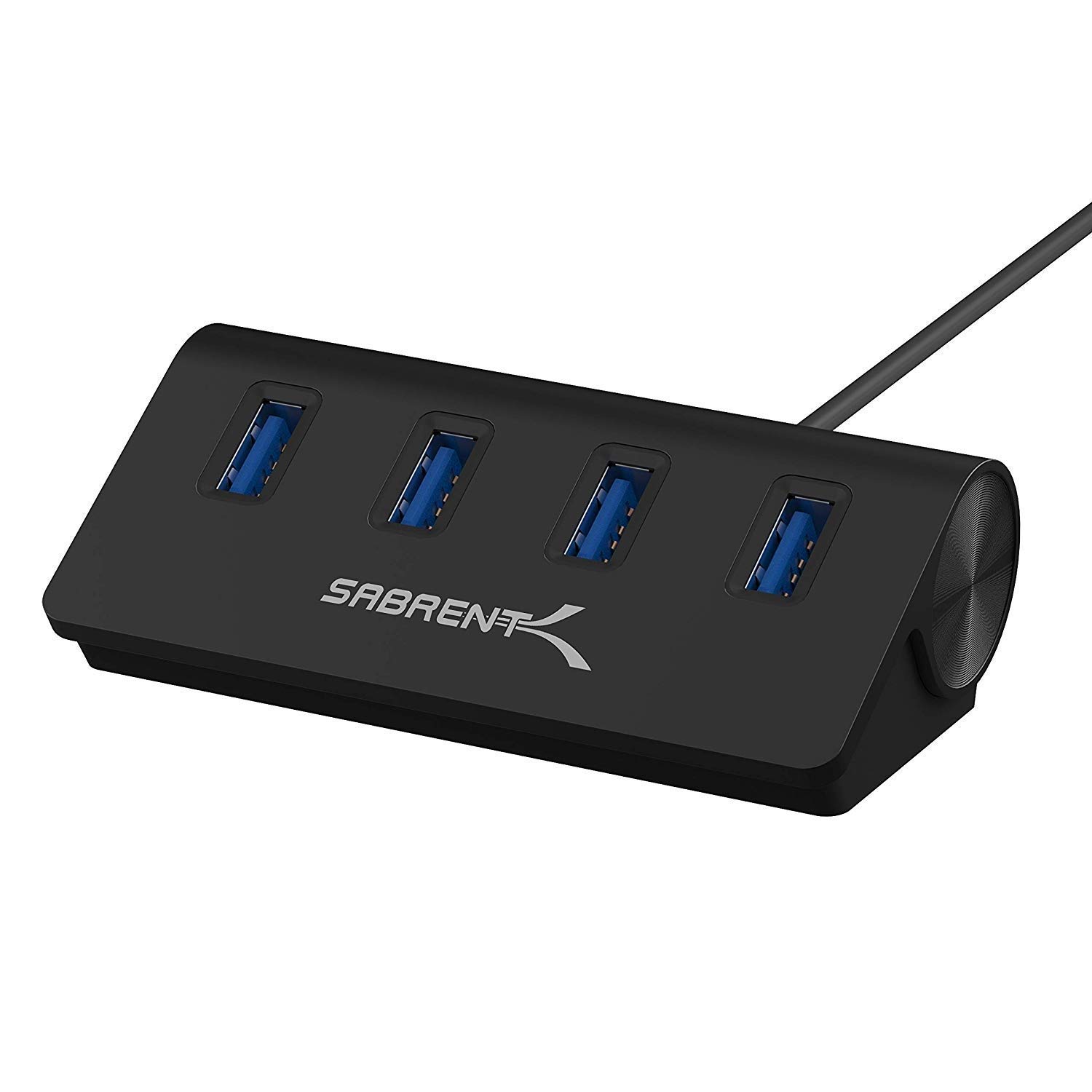
Choose the main hub if its rotating connector and tiny form factor are more useful than faster transfers. Choose the USB 3.0 model if you want four ports but regularly connect faster storage or move larger files.
- This four-port model uses USB 3.0 and lists transfer speeds up to 5 gigabits per second. It has an aluminum enclosure and a 2.5-foot USB 3.0 cable.
- The SABRENT USB 2.0 Hub offers four ports in a compact, rotatable design, with a listed maximum transfer rate of 480 megabits per second.
USB Hubs alternative
9,000+ ratings
Read Amazon ReviewsSABRENT 3-Port Aluminum Mini USB 3.0 Hub
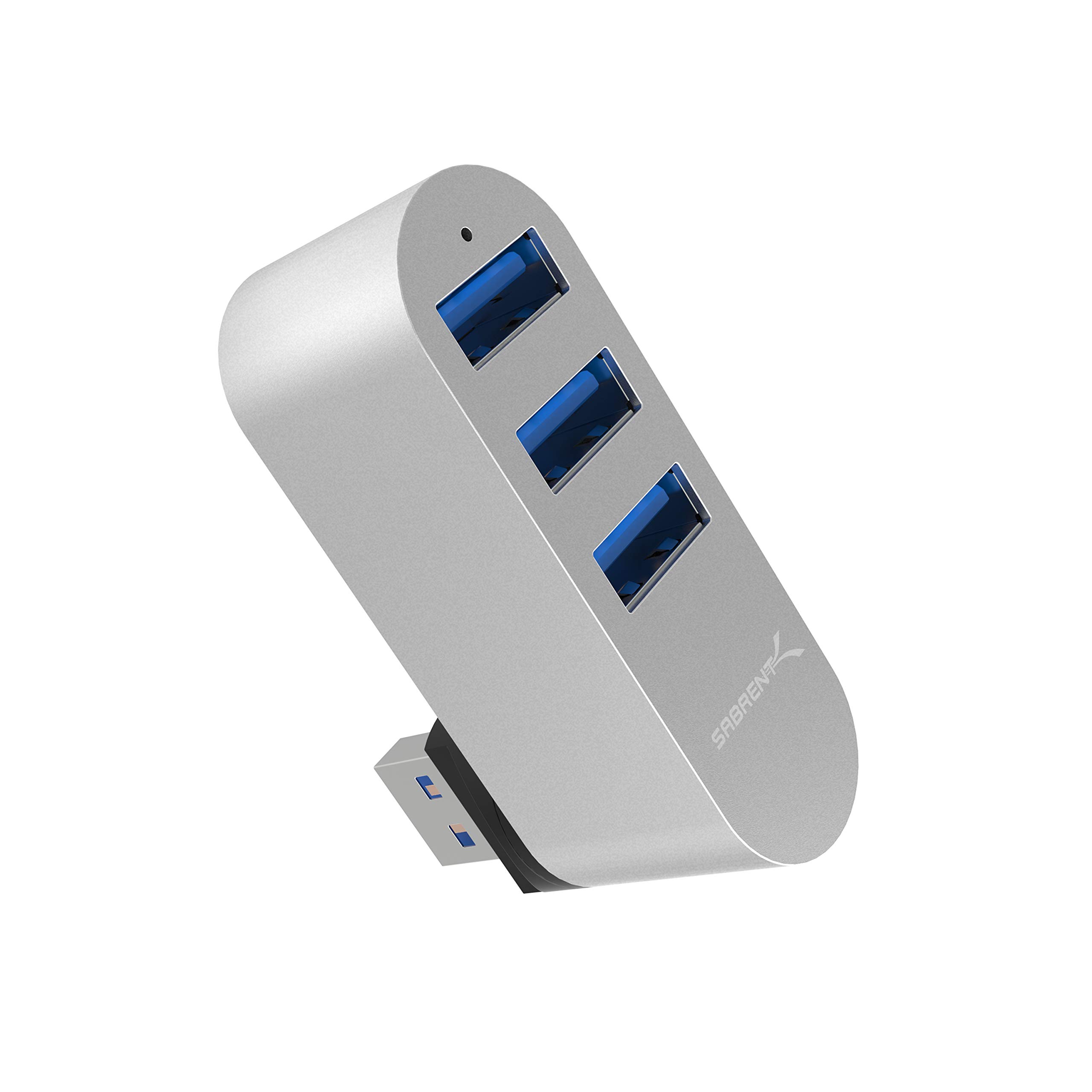
The main hub suits buyers who want a fourth connection and do not need USB 3.0 speeds. The three-port alternative is a closer fit when faster transfers and an aluminum mini design matter more than having four ports.
- This mini hub has three USB 3.0 ports, a rotating connector, and an aluminum design described as compact and lightweight.
- The main hub supplies four USB 2.0 ports and has a connector that rotates through 90 or 180 degrees.
Is SABRENT USB Hub Worth It?
The SABRENT 4 Port USB 2.0 Hub is worth considering as a simple, portable way to add connections for everyday USB peripherals. Its four ports, rotating connector, and straightforward setup target convenience in a small package.
Buy it when USB 2.0 data connectivity is enough and charging is not required. If you transfer large files often or need to charge devices through the hub, choose a model designed for those needs instead.
Your review at a glance
16,000+ ratings
Read Amazon ReviewsSABRENT 4 Port USB 2.0 Hub
A compact, rotatable four-port hub for buyers who need extra USB 2.0 connections for data peripherals and do not need device charging.
- Four USB 2.0 ports provide additional connections for compatible USB devices.
- Rotating USB connector adjusts to 90 or 180 degrees.
- Plug-and-play setup and hot-swappable, hot-pluggable operation are supported.
- Compatible with Windows, Mac, and Linux systems.